
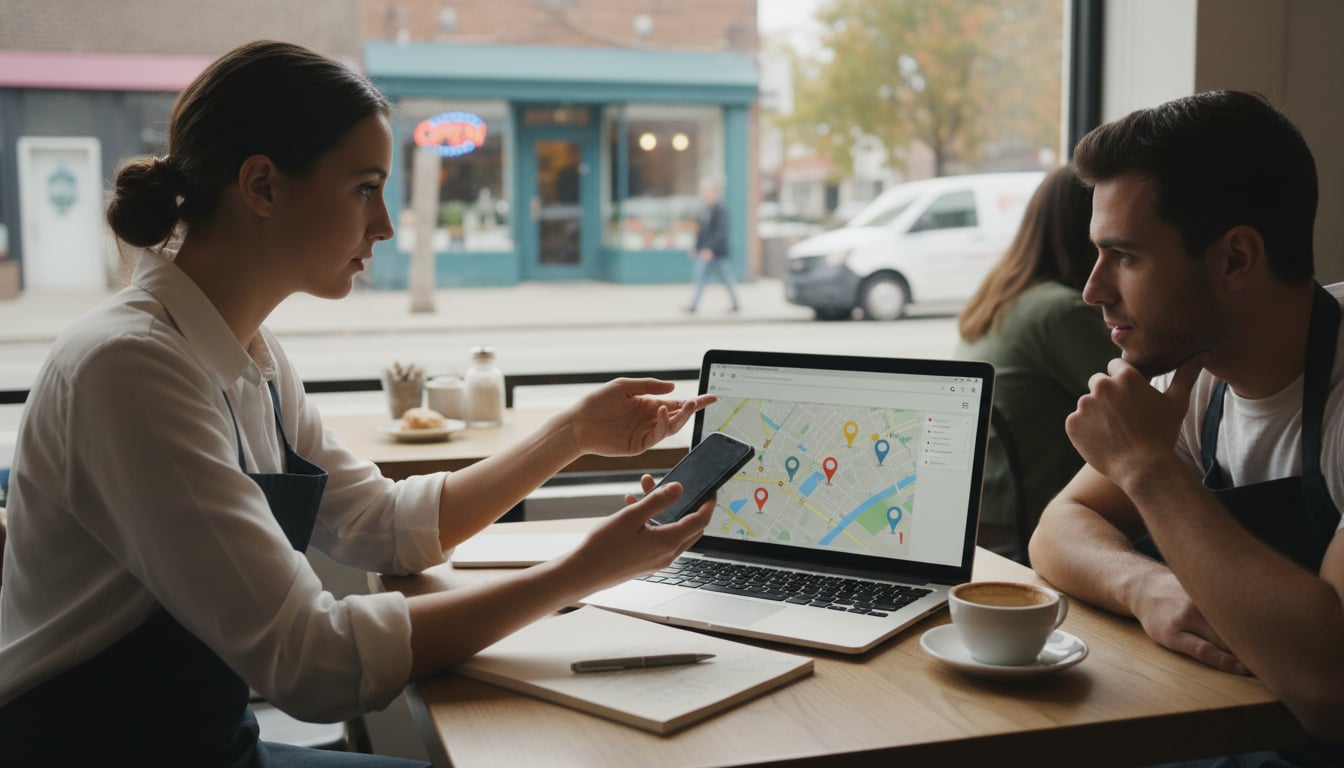
Getting found online is no longer optional for businesses with a physical location or a local service area. When customers in your neighborhood need a product or service, their first move is almost always a quick search on their phone. This is where local search engine optimization, or SEO, becomes your most powerful tool. Think about it, nearly 46% of all Google searches have local intent, and a staggering 78% of location based mobile searches result in an offline purchase. This comprehensive seo guide for local business will walk you through everything you need to know to capture that traffic and turn searchers into customers.
What is Local SEO and how does I rank for it in 2026?
Local SEO is the process of optimizing your online presence so your business appears when nearby customers search for your products or services. To rank in 2026, you need three things: a fully optimized Google Business Profile, a website with LocalBusiness schema markup, and a strong review profile. Most local searches happen on mobile, and 76% of people who search "near me" visit a business within 24 hours — making local SEO one of the highest-converting marketing channels available to small businesses.
What Exactly is Local SEO?
Local SEO is the practice of optimizing your online presence to attract more business from relevant, local searches. These are the searches people make with a geographic component, like “pizza near me” or “plumber in Boston”. The goal is to appear prominently in specialized search results like Google’s Map Pack and in the localized organic search listings. It’s a mix of traditional SEO tactics and location specific strategies that directly drives foot traffic and sales. With over 1.5 billion destinations visited every month thanks to Google Maps listings, mastering local SEO is essential for survival and growth.
Local SEO vs. Standard SEO: What’s the Difference?
While both local and standard (or national) SEO aim to improve your search engine visibility, they play in different arenas.
Standard SEO casts a wide net. It focuses on ranking for broad topics to attract an audience from anywhere in the world. A national ecommerce store or a blog would use standard SEO.
Local SEO is hyper focused. It’s all about ranking for searches with local intent within a specific geographic area. The primary battleground for local SEO is the Google Map Pack, a block of three business listings that appears in 93% of searches with local intent and sits above the regular organic results.
The user behavior is also different. A local searcher is often ready to take immediate action. In fact, about 76% of people who search for something “near me” on their smartphone visit a related business within 24 hours. This makes a good local SEO strategy a direct line to new customers.
Search Type | Where You Appear | What Drives Ranking |
|---|---|---|
Traditional Google | Map Pack + Organic | GBP, reviews, backlinks |
AI Overview (Google) | Above Map Pack | Schema, FAQ content, entity mentions |
Voice Search | Single spoken result | Conversational content, GBP completeness |
Bing Copilot | Inline answer | Schema, structured content |
ChatGPT Search | Cited source | Domain authority, clear NAP |
The 3 Pillars of Local Rankings: Relevance, Distance, and Prominence
Google’s local algorithm uses three core factors to decide which businesses to show for a local search. Understanding these is the first step in any effective seo guide for local business.
1. Relevance
Relevance is how well your business profile matches what a user is looking for. Google looks at the information you provide in your Google Business Profile, including your business name, categories, and description, to see if you’re a good fit for the search query. If someone searches for a “vegan bakery,” a business that explicitly mentions “vegan options” in its profile and on its website is more relevant.
2. Distance
This one is straightforward. Distance considers how far each potential search result is from the location term used in a search or from the searcher’s physical location. If a user doesn’t specify a location, Google uses their device’s location data. You can’t change your business’s distance from a searcher, but you can ensure Google knows exactly where you are by providing a precise address and map pin.
3. Prominence
Prominence refers to how well known and authoritative your business is, both online and offline. Google assesses prominence based on information it finds across the web, like links, articles, and directory listings. A business with many high quality backlinks, positive press mentions, and lots of great reviews has high prominence. For example, a study found that having keywords appear in your customer reviews can boost your local ranking. Strong online buzz tells Google you’re a credible and popular choice.
Winning the AI Overview: Local SEO for 2026
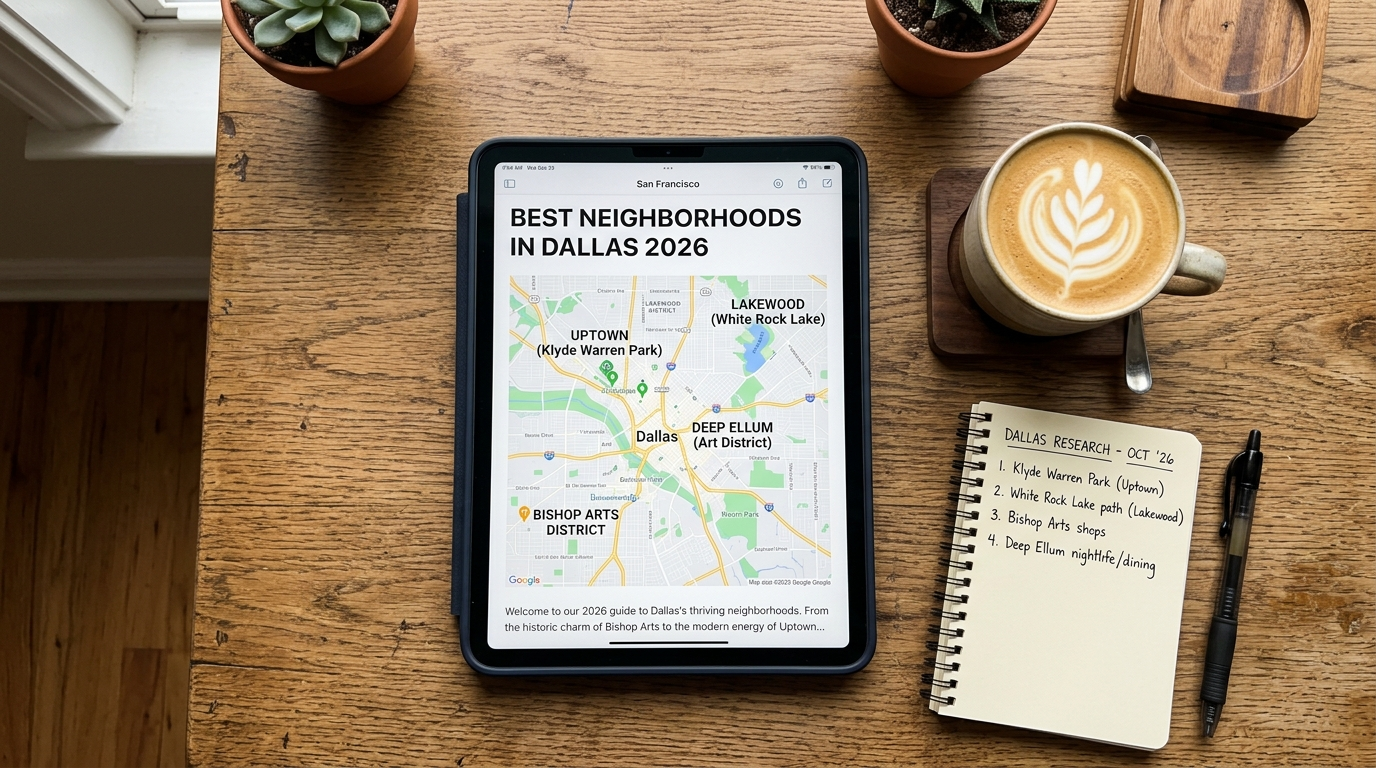
In 2026, Google often provides a generated summary before the Map Pack. To ensure your business is cited by AI:
Use Natural Language: Answer common customer questions (e.g., "How much does a plumber cost in [City]?") directly in your headers.
Neighborhood Entities: Mention local landmarks, parks, or nearby cross-streets. AI uses these "entities" to verify your physical presence.
Structured Data: Implement JSON-LD LocalBusiness Schema so AI agents can instantly read your hours, prices, and service areas without "guessing.
Unlocking the Google Map Pack
The Google Map Pack (also called the Local Pack or 3 Pack) is the holy grail of local SEO. It’s the block of three business listings that appears under a map at the top of the search results page. Showing up here is a massive advantage. If you’re new to SERP features, see our guide to Google SERP features to understand how the Map Pack fits into the broader SERP.
The Map Pack is incredibly visible, appearing in 93% of local searches and positioned above the regular organic results. This prime real estate captures a huge share of clicks, with some experts estimating that nearly half of all local search traffic goes to the businesses listed in the Map Pack. Getting into this exclusive club requires excelling at relevance, distance, and prominence. A complete Google Business Profile with a strong review history is your ticket to entry.
2026 Local Ranking Factor Weight (Estimated)
Factor | What It Means in Practice | Quick Win |
|---|---|---|
Google Business Profile (38%) | Completed profile with photos, categories, hours | Add 10+ photos this week |
Review Signals (17%) | Reviews that mention your services by name | Ask your last 5 customers today |
On-Page Content (15%) | City-specific pages, not just city names in titles | Create one neighborhood page |
Local Backlinks (11%) | Links from local news, chambers, bloggers | Sponsor one local event |
Behavioral Signals (10%) | Click-to-call, directions requests, dwell time | Add click-to-call button |
Citations / NAP (9%) | Same name, address, phone everywhere | Audit Yelp, Apple Maps, Bing |
Finding Your Customers: Local Keyword Research
Before you can optimize, you need to know what your customers are searching for. Local keyword research is the process of finding the terms people in your area use to find businesses like yours. Start by defining your core primary keywords for each service and location.
This means looking for geo modified keywords (like “electrician in Chicago”) and paying close attention to “near me” searches. Searches including phrases like “near me” or “close by” have skyrocketed over 500% in recent years. People are looking for immediate solutions, with mobile searches for things like “store open near me” increasing 250% year over year.
Your research should uncover the exact phrases your community uses, from broad terms like “lawyer in Dallas” to very specific long tail queries like “art gallery with free parking in SoHo”. You’ll then use these keywords in your website content, meta tags, and Google Business Profile to attract highly qualified local traffic. Grouping related terms into keyword clusters helps you cover a topic comprehensively and build topical relevance.
Your Digital Storefront: Google Business Profile Optimization
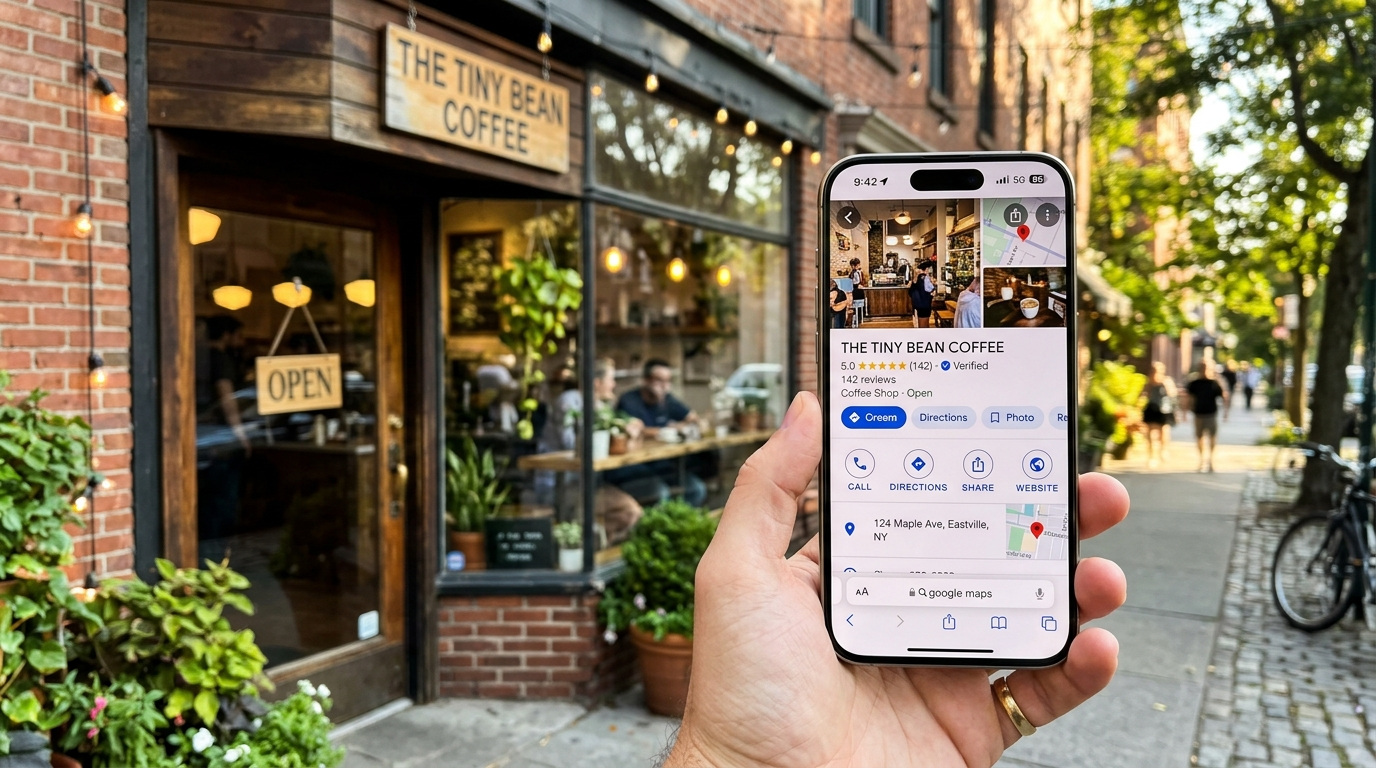
Your Google Business Profile (GBP) is the absolute cornerstone of your local SEO strategy. It’s the free profile that powers your appearance on Google Maps and in the Local Pack. Optimizing it is non negotiable.
Shockingly, about 56% of local retailers have not claimed their Google Business Profile, leaving a massive opportunity on the table for their competitors. A complete profile is crucial; businesses with complete listings are about 50% more likely to be considered by consumers.
Key optimization steps include:
Complete All Sections: Fill out every field with accurate and detailed information.
Ensure NAP Accuracy: Your Name, Address, and Phone number must be correct and consistent everywhere online.
Choose the Right Categories: Select a primary category that best describes your business, and add relevant secondary categories.
Upload High Quality Photos: Listings with photos get 42% more requests for driving directions. Show off your storefront, products, and team.
Encourage and Respond to Reviews: Positive reviews are a massive trust signal and a key ranking factor. Always respond to all reviews.
Use Google Posts: Share updates, offers, and news directly on your profile to keep it fresh and engaging.
The Importance of Consistency: NAP Citations Explained
A NAP citation is any online mention of your business’s Name, Address, and Phone number. These citations appear in online directories like Yelp, industry specific sites, and on social media platforms.
NAP consistency is critical. Having the exact same information across all platforms helps search engines trust that your business is legitimate and located where you say it is. Inconsistent information, like an old address or phone number, creates confusion and erodes trust. In fact, 73% of consumers lose trust in a local business when they find inconsistent contact details online.
Citation signals, like consistency and volume, account for an estimated 7% of local search ranking factors. It’s a small but significant piece of the puzzle that can make the difference in a competitive market.
Why Reviews Are Your Secret Weapon (Local Review Management)
Online reviews are the modern day word of mouth, and they have a massive impact on both rankings and customer decisions. A strong review profile is a core part of any good seo guide for local business.
Consider these stats: 87% of consumers read online reviews for local businesses, and 84% trust them as much as a personal recommendation. From an SEO perspective, reviews are a direct signal of prominence. Google sees a business with many recent, positive reviews as more trustworthy and popular, which can contribute up to 17% of the weight in Local Pack ranking factors.
Effective review management involves:
Actively requesting reviews from happy customers.
Responding promptly and professionally to all reviews, both positive and negative.
Monitoring your reputation across all major platforms, not just Google.
A poor review profile can be devastating. Listings with a rating below three stars can see a 40% decrease in click through rate, as users simply skip over them.
On Page SEO for Local Businesses
On page optimization involves fine tuning your website’s content and code to signal your local relevance to search engines. Use an on-page SEO checklist to make sure you cover the essentials. This tells Google that your website is the right resource for searchers in your area. On page factors account for about 20% of the ranking weight in the local pack algorithm.
Here are the key areas to focus on:
Title Tags and Meta Descriptions: Include your primary service and city in your page titles (e.g., “Expert Plumbing Services in San Diego, CA”).
Homepage Content: Clearly state who you are, what you do, and where you do it. Your full address should be easy to find.
Location Pages: If you have multiple locations, create a dedicated page for each one.
Structured Data (Schema): Use LocalBusiness schema markup to explicitly tell search engines your NAP, hours, and other key details.
Mobile Optimization: With the vast majority of local searches happening on mobile, your site must be fast and easy to use on a smartphone. A great mobile experience is critical for both users and Google’s mobile first index.
Serving Multiple Areas? Master Location Page Creation
If your business has multiple physical locations or serves several distinct cities, creating individual location pages on your website is essential. Each page should be dedicated to a single location and contain its unique NAP, hours, an embedded map, and location specific content like local testimonials or staff bios.
This strategy improves both user experience and SEO. A customer in Phoenix can land on a page with Phoenix specific information instead of a generic page listing all your locations. From an SEO perspective, it allows you to optimize each page for location specific keywords (e.g., /locations/phoenix/), signaling stronger relevance for each individual market. While some content may be similar across pages, Google does not penalize this for localized websites, though adding unique flavor to each page is highly recommended.
Making Your Content Smart: Geo Targeted Personalization
Geo targeted content personalization involves tailoring your website’s content based on a visitor’s physical location. For instance, a website could detect a user is in Dallas and display a headline like, “Your Trusted Dallas Roofing Experts.” This makes the user experience feel more relevant and personal. A huge 90% of U.S. consumers find content personalization appealing, and 72% say they only engage with marketing messages tailored to their interests or location. While more advanced, this tactic can significantly boost engagement and conversion rates by making visitors feel understood.
Keeping it Fresh: The Need for Geo Targeted Content Uniqueness
When creating multiple location pages, it’s tempting to use a simple template and just swap out the city name. This is a bad practice. While Google won’t issue a “penalty” for it, pages with nearly identical content provide little unique value to users or search engines. Google might struggle to understand why it should rank your Dallas page over your Houston page if they say the exact same thing.
Instead, strive to make each location page unique. Include details about local landmarks, mention projects you completed in specific neighborhoods, or feature testimonials from local customers. This shows both Google and potential customers that you are truly a part of that community.
Become a Local Authority with a Smart Content Strategy
A powerful but often overlooked part of our seo guide for local business is creating localized content. Planning this with content mapping ensures each page supports your local goals and buyer journey. This means producing blog posts, guides, or videos that are valuable to your local community. A local real estate agent could write an article about the best neighborhoods for young families in their city, or a coffee shop could post a guide to local art walks.
This strategy helps you rank for long tail local keywords, establishes your business as a local expert, and can earn valuable backlinks from other local websites. According to local marketing professionals, content creation is the second most valuable service for local SEO success, right after Google Business Profile management.
Creating a steady stream of high quality local content can be time consuming. This is where a service that blends AI with human expertise can be a game changer. For instance, Rankai offers a done for you SEO program that publishes over 20 localized pages and posts for your business every single month, ensuring your site continually builds authority and targets new local keywords without you having to lift a finger.
Earning Local Trust: A Guide to Local Link Building
Local link building is the process of acquiring backlinks (links from other websites to yours) from locally relevant sources. These links act as “votes of confidence” from your community and are a major signal of prominence to Google. A link from your local Chamber of Commerce, a news article in a city newspaper, or a popular local food blogger is incredibly valuable.
Effective local link building strategies include:
Getting listed in high quality local directories.
Sponsoring local events, charities, or sports teams.
Partnering with other complementary local businesses on content.
Pitching newsworthy stories about your business to local journalists.
Quality always trumps quantity. A few authoritative local links are far more powerful than dozens of links from spammy, irrelevant websites.
Speaking Google’s Language: Using Schema Markup
Schema markup is a type of code you add to your website to help search engines better understand your content. For local businesses, the LocalBusiness schema is particularly important. It allows you to explicitly define your name, address, phone number, hours, and even things like your star rating and price range.
While schema is not a direct ranking factor, it can help you earn rich results in search, such as star ratings appearing directly under your website link. For content publishers, implementing Author schema can further reinforce expertise and trust. These enhanced listings are more eye catching and can significantly improve your click through rate, giving you a competitive edge. It’s a way to ensure Google gets your information right and presents it in the most appealing way possible.
Are We There Yet? How to Track Local Rankings
To know if your efforts are paying off, you need to track your local rankings. Beyond positions, here’s how to tell if your SEO strategy is working using conversions and revenue-based KPIs. This means monitoring where your business appears in the Map Pack and the localized organic results for your target keywords.
It’s important to track rankings from the perspective of a user in your target city or zip code, as results can vary dramatically based on location. Specialized tools like BrightLocal or Whitespark allow you to set a specific location for tracking.
While rankings are a key metric, don’t forget to monitor the outcomes: clicks, calls, and direction requests from your Google Business Profile, and organic traffic growth in Google Analytics. According to one survey, 52% of local marketers said their rankings in the Google Local Pack were a top success metric. Tracking allows you to see what’s working and identify new opportunities for growth.
Common Mistakes That Sabotage Local SEO (And How to Avoid Them)
Navigating local SEO can be tricky. Here are some common pitfalls that can sink your efforts:
Not Claiming Your GBP: This is the biggest mistake. An unclaimed profile leaves you invisible and vulnerable to incorrect information.
Inconsistent NAP Information: Mismatched names, addresses, or phone numbers across the web confuse Google and customers.
Ignoring Reviews: A bad reputation or a lack of reviews will drive customers away and hurt your rankings.
A Poor Mobile Website: If your site is slow or hard to use on a phone, you’re losing business. 58% of mobile users are more likely to contact a local business with a mobile friendly site.
Duplicate Location Page Content: Using the same boilerplate text on every city page provides no unique value and can hinder your ability to rank in each market.
How Long Does Local SEO Take? A Realistic Timeline
Local SEO is a long term strategy, not an overnight fix. While some quick wins like optimizing your GBP can show results in the first month or two, you should expect to invest three to six months of consistent effort before seeing significant, lasting improvements in rankings and traffic.
In highly competitive markets, it could take closer to a year to reach the top spots. The key is consistency. SEO builds momentum over time as you accumulate positive reviews, build content, and earn links. Be wary of anyone promising instant number one rankings. True SEO is about building a sustainable foundation for long term growth.
Service Type | Monthly Cost (USD) | Best For |
|---|---|---|
DIY (tools only) | $0 – $100 | Solopreneurs with time to spare |
Freelancer | $300 – $800 | Businesses with 1-2 locations |
Local SEO Agency | $1,000 – $3,000+ | Competitive markets, multi-location |
Managed service (e.g., Rankai) | $200 – $500 | Businesses wanting done-for-you at scale |
The Big Decision: DIY Local SEO vs. Hiring a Pro
Should you handle local SEO yourself or hire an expert? The answer depends on your time, budget, and expertise.
DIY (Do It Yourself) is a great option if you have more time than money. You can claim your GBP, ask for reviews, and make basic website updates. However, it requires a significant time commitment to learn and execute consistently.
Hiring an Expert accelerates your results. An agency brings experience, specialized tools, and a dedicated team to handle the heavy lifting. See our in-depth overview of professional search optimization services and what to expect. This frees you up to run your business. While there’s a cost, it can provide a much higher return on investment by achieving results faster and avoiding costly mistakes. This seo guide for local business is a great start, but execution is key.
For businesses looking for a hands off, affordable solution, a service like Rankai can be the perfect middle ground. Their flat monthly program combines AI efficiency with human SEO experts to manage your entire local strategy, from content creation to technical fixes. It provides the power of an agency at a fraction of the cost, making professional local SEO accessible to any business ready to grow.
Frequently Asked Questions About Our SEO Guide for Local Business
What is the most important part of this seo guide for local business?
If you can only focus on one thing, make it your Google Business Profile (GBP). A fully claimed, verified, and optimized GBP is the foundation for your visibility in the Google Map Pack and on Google Maps, which drives the majority of local traffic.
Can I do local SEO for free?
Yes, many core components of local SEO are free. Claiming your Google Business Profile, asking for reviews, and basic on page website optimization can be done at no cost other than your time. However, more advanced strategies and tools often require a budget.
How often should I update my Google Business Profile?
You should check your core information (NAP, hours) for accuracy whenever something changes. It’s also a good practice to use Google Posts to share updates, news, or offers at least once a week to show that your profile is active and keep your customers engaged.
Do social media signals affect local SEO?
While social media activity isn’t a direct, major ranking factor for the local pack, it contributes to your overall online prominence. A strong, active presence on platforms like Facebook or Instagram helps build brand awareness and can lead to more brand searches and website traffic, which are positive signals for Google. Consistent NAP on your social profiles also helps.
What is the difference between Google Business Profile and Google Maps?
They're connected but different. Your Google Business Profile is the backend tool you use to manage your business information. Google Maps is where customers see that information displayed. Optimizing your GBP directly affects how you appear on Google Maps and in the Map Pack.
How do I get my business into the Google Map Pack?
Focus on the three core factors: relevance (complete GBP with correct categories), distance (accurate address and map pin), and prominence (reviews, backlinks, and citations). There's no shortcut — consistent effort across all three factors over 3–6 months is the reliable path.
Does having a physical storefront help with local SEO?
Yes. Google's distance factor rewards businesses with a verified physical address. Service-area businesses (like plumbers) can still rank well, but they must clearly define their service area in their GBP and should not list a P.O. box as their address.