

When someone searches for “restaurants near me,” they aren’t just browsing. They’re hungry, and they’re ready to make a decision. In fact, a whopping 76% of people who conduct a local search on their smartphone visit a business within 24 hours. If your restaurant doesn’t appear in those crucial search results, you can bet a competitor’s does.
This is the only seo guide for restaurants you’ll need to change that. We’ll walk through 20 actionable steps, from mastering the basics to leveraging advanced tactics, all designed to help more diners find you through Google. Let’s get your tables filled.
How to Rank Your Restaurant on Google in 2026: Quick Summary
To rank a restaurant locally in 2026, you must prioritize three core pillars:
Signal Accuracy: Maintain identical Name, Address, and Phone (NAP) data across Google, Yelp, and Apple Maps.
AI-Ready Content: Use HTML-based menus (not PDFs) and Schema Markup so AI engines can "read" your dishes.
Visual Social Proof: Regularly upload high-resolution photos to your Google Business Profile, as visual search now accounts for over 30% of local discovery. The Bottom Line: Focus on high-intent keywords like "best [cuisine] near me" and respond to 100% of customer reviews to boost your "Prominence" score.
1. Understand Local SEO Fundamentals
First things first, let’s cover what makes local search tick. Google’s local algorithm focuses on three main factors to rank businesses: relevance, distance, and prominence. This means it tries to show searchers the most relevant, closest, and well regarded businesses. With nearly 46% of all Google searches having local intent, tapping into this is non negotiable. The good news? Many of your competitors are probably overlooking local SEO, giving you a huge opportunity to get ahead. Understanding these principles is the foundation of this seo guide for restaurants.
2. Optimize Your Google Business Profile
Your Google Business Profile (GBP) is your digital storefront, and optimizing it is a cornerstone of this seo guide for restaurants. It’s often the first thing a potential customer sees on Google Search or Maps. An optimized profile is your ticket to the “Map Pack,” the block of the top three local results. Businesses that land in this local 3 pack get 126% more traffic and 93% more calls than businesses ranked just below them.
To optimize your profile, claim your listing and fill out every single section. Add high quality photos, upload your menu, list your hours (including holidays), and specify amenities like “outdoor seating” or “delivery available.”
The Impact of a Fully Optimized Google Business Profile (2026 Data)
Profile Element | Engagement Increase | SEO Benefit |
High-Quality Photos | +42% requests for directions | Higher "Visual Search" ranking |
Active Q&A Section | +15% conversion rate | Improved AI Overview "trust" score |
Weekly Google Updates | +21% brand visibility | Signals "Freshness" to the algorithm |
Menu Integration | +30% click-through rate | Allows for "Dish-Specific" search hits |
3. Manage and Encourage Customer Reviews
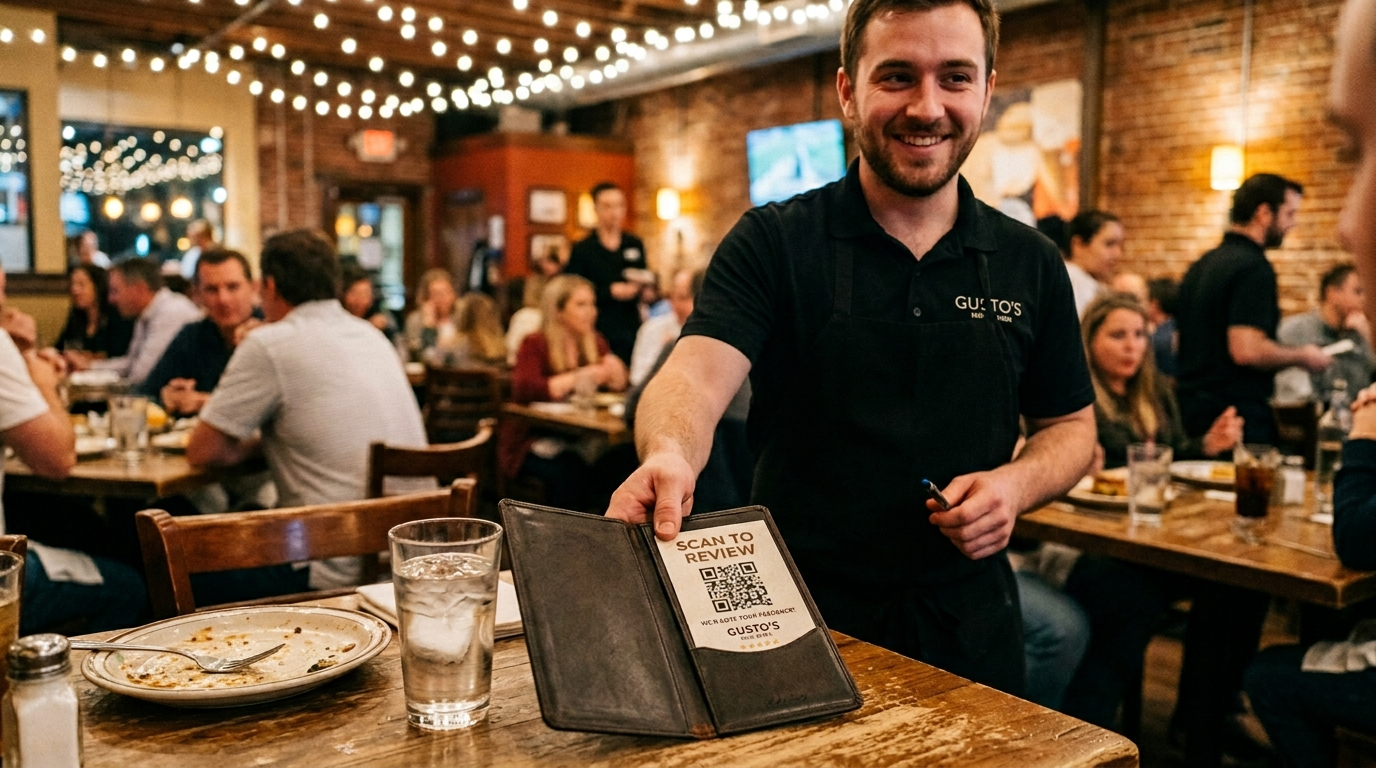
Online reviews are the new word of mouth. A stunning 84% of people trust online reviews as much as personal recommendations. Your reputation on Google, Yelp, and TripAdvisor directly impacts your bottom line.
Actively encourage happy customers to leave feedback. You can add a friendly note on receipts or train your staff to ask satisfied diners. Aim for a steady stream of positive reviews. More importantly, respond to all of them, both positive and negative. A thoughtful response shows you care and can turn a bad experience around, building trust with future customers.
4. Conduct Smart Local Keyword Research
To rank locally, you need to know what phrases people are actually typing into Google. Start with core terms like “Thai food” or “brunch spot” and add your city or neighborhood, then identify your primary keywords for each page. Pay close attention to “near me” searches, as these have extremely high purchase intent.
Use tools like Google Keyword Planner to find variations and see what people are searching for. Also, think about voice search queries, which are often phrased as questions. For instance, “What’s the best diner open now?” Creating a FAQ page on your site that answers these questions is a great strategy. As you plan pages, map each query to the right keyword intent to choose the best content type. This is a core part of any good seo guide for restaurants.
Target "Zero-Click" Conversational Queries
In 2026, diners use voice assistants and AI chat to ask complex questions. Instead of just "pizza," they ask, "Where is a dog-friendly pizza place with outdoor seating open now?" To capture this traffic:
Create a "Hyper-Local FAQ": Answer specific questions about parking, dietary restrictions (gluten-free, vegan), and vibe (date night, kid-friendly).
Use Long-Tail Phrases: Incorporate phrases like "best spot for a business lunch in [Neighborhood]" or "late-night cravings in [City]."
5. Ensure NAP Consistency Everywhere
NAP stands for Name, Address, and Phone Number. These are the foundational identity markers for your business online. It is absolutely critical that your NAP is identical across every platform, from your website to your Google profile, Yelp page, and Facebook. Even small variations like “Street” versus “St.” can create confusion for search engines and erode trust. Pick one standard format and stick with it.
6. Build Local Citations in Online Directories
Local citations are simply mentions of your business name, address, and phone number on other websites. Think of them as references that verify your restaurant’s existence and location. Key directories to be listed on include Yelp, TripAdvisor, OpenTable, and any local city or food blogs. Having your information correct and consistent across these platforms boosts your prominence in Google’s eyes. It also helps customers find you no matter what app they prefer to use.
7. Pursue Local Link Building
In the world of SEO, links from other websites to yours are like votes of confidence. Earning links from reputable local sources, like a local news site, a food blogger, or a community event you sponsored, signals to Google that your restaurant is a legitimate and important part of the community. Top ranking local businesses often have a strong backlink profile. You can earn these links by creating great content, partnering with local organizations, or getting featured in “best of” lists. If you plan to outsource, compare the top link building services to find a fit for your budget and goals.
8. Improve Your On Page SEO
On page SEO refers to optimizations you make directly on your website. This means ensuring your page titles, headings, and content clearly communicate what you do and where you are located. For example, your homepage title should be something like “Authentic Italian Restaurant in Boston, MA | Luigi’s Trattoria,” not just “Home.” Weave your location and cuisine type naturally throughout your website’s text to tell Google exactly what searches you are relevant for, and use an on‑page SEO checklist to make sure you cover the essentials every time.
9. Optimize Your Metadata
Metadata, specifically your title tags and meta descriptions, are the short snippets of text that appear in Google search results. Your title tag is the main blue link, and the meta description is the short paragraph underneath it.
Title Tag: Keep it around 50 to 60 characters and include your primary keyword, like “[Cuisine] in [City]”.
Meta Description: This is your mini ad. In about 155 characters, describe what makes your restaurant special and entice users to click. Mention unique offerings like “cozy patio” or “award winning cocktails.”
Well crafted metadata can significantly improve your click through rate from search results.
10. Simplify Your Website Structure
A user friendly website is an SEO friendly website. Your site’s navigation should be simple and intuitive. A potential diner should be able to find your menu, hours, and location within a click or two. A typical restaurant site structure includes Home, Menu, About, Contact, and Reservations. As you build navigation and cross‑links, follow best practices for how many internal links per page to keep UX and rankings strong. A confusing or cluttered website will cause visitors to leave, sending negative signals to Google. Remember, 38% of people will stop engaging with a website if the layout is unattractive.
11. Address Technical SEO and Boost Site Speed
Technical SEO involves the behind the scenes work that helps search engines crawl and understand your site. The most important factor for restaurants is site speed. If your website takes more than three seconds to load, you’re losing customers. According to Google, 53% of mobile visitors will leave a page that takes longer than three seconds to load. You can speed up your site by compressing images, using fast web hosting, and minimizing code.
Technical SEO can feel overwhelming. Start with a technical SEO audit guide to uncover speed, crawl, and indexing issues. That’s where an expert partner can make a huge difference, since services like Rankai’s flat monthly SEO program handle all the technical fixes for you.
12. Make Your Site Fully Mobile Friendly
Most of your customers will find you on their phone. This means your website must look and function perfectly on a small screen. Text should be easy to read, buttons should be easy to tap, and your phone number should be “click to call.” Google now primarily uses the mobile version of a website for ranking (this is called mobile first indexing), so a poor mobile experience will directly harm your visibility. This makes mobile optimization a non-negotiable part of our seo guide for restaurants.
13. Optimize Images and Use Alt Text
Mouth watering photos sell food, but large image files can cripple your site’s speed. Before uploading photos, compress them to reduce their file size. Additionally, every image on your site should have descriptive alt text. Alt text is a short written description of an image that helps visually impaired users and search engines understand what the image is about. For example, alt="Spicy tuna roll platter at our downtown sushi bar" is much better than a generic file name.
14. Polish Your Online Menu Page
Your menu is one of the most visited pages on your site. For the best SEO results, it should be presented as HTML text, not just an image or a PDF file. A text based menu is crawlable by search engines, meaning your dishes can appear in search results. It’s also much easier for mobile users to read. Keep it updated with current prices and descriptions to avoid frustrating potential customers.
Why Your Menu Needs "Menu Schema"
Search engines no longer just link to your menu; they display individual dishes directly in search results. By implementing MenuItem Schema, you allow Google to show your "Spicy Miso Ramen" with its price and calorie count right on the search page.
SEO Tip: Ensure your menu descriptions use descriptive, sensory language. AI models use these descriptions to recommend your restaurant when users search for specific flavors or ingredients.
15. Optimize Location Pages and Embed Google Maps
Make it incredibly easy for people to find you. Your contact or location page should feature your full address, phone number, and hours. More importantly, embed an interactive Google Map on the page. This not only helps users get directions with a single click but also reinforces your location to Google. If you have multiple locations, create a separate, dedicated page for each one.
16. Develop a Local Content Strategy
A blog or a news section on your website is a powerful SEO tool. It allows you to target a wider range of local keywords and establish your restaurant as a local authority. You can write about local food events, share a chef’s recipe, or create a guide to the best dishes in your neighborhood. If you need to scale pages for multiple locations or menu items, consider programmatic SEO to publish high‑quality variants efficiently.
Consistently producing high quality content is a common challenge. For restaurants focused on their operations, a service that handles content from ideation to publication, like the AI assisted content program from Rankai, can be a game changer.
17. Implement Restaurant Schema Markup
Schema markup is a type of code you add to your website to help search engines understand your content better. For restaurants, you can use schema to explicitly define your cuisine type, price range, hours, and even link to your menu. This information can help Google create “rich results” for your listing, such as displaying star ratings directly in the search results. Listings with star ratings can see a click through rate increase of up to 35%. This is an advanced but highly effective part of any modern seo guide for restaurants.
18. Set Up Analytics and Conversion Tracking
You can’t improve what you don’t measure. Install a free tool like Google Analytics to track your website’s performance. Set up conversion tracking to monitor key actions, such as clicks on your phone number, reservation form submissions, or clicks on the “Get Directions” button. This data will show you which of your SEO efforts are driving real business results, allowing you to focus on what works. This data-driven approach is what makes an seo guide for restaurants truly effective.
19. Monitor Your Performance Metrics
SEO is an ongoing process, not a one time task. Regularly monitor your performance by tracking your search rankings for key local keywords, your organic traffic levels, and the engagement metrics on your Google Business Profile. Watching these numbers will help you understand what’s working and identify areas for improvement. Use this guide to tell if your SEO strategy is working and what to adjust when you see a dip.
20. Use Social Media to Support Your SEO
While social media activity isn’t a direct ranking factor, it plays a vital supporting role. Your social profiles (Facebook, Instagram, etc.) often rank for your brand name, giving you more control over your search results page. An active social presence drives traffic to your website, generates brand awareness, and encourages reviews. Make sure your profiles are fully filled out with your correct NAP and a link back to your website.
21. Optimize for Visual & Video Search (TikTok & Instagram)
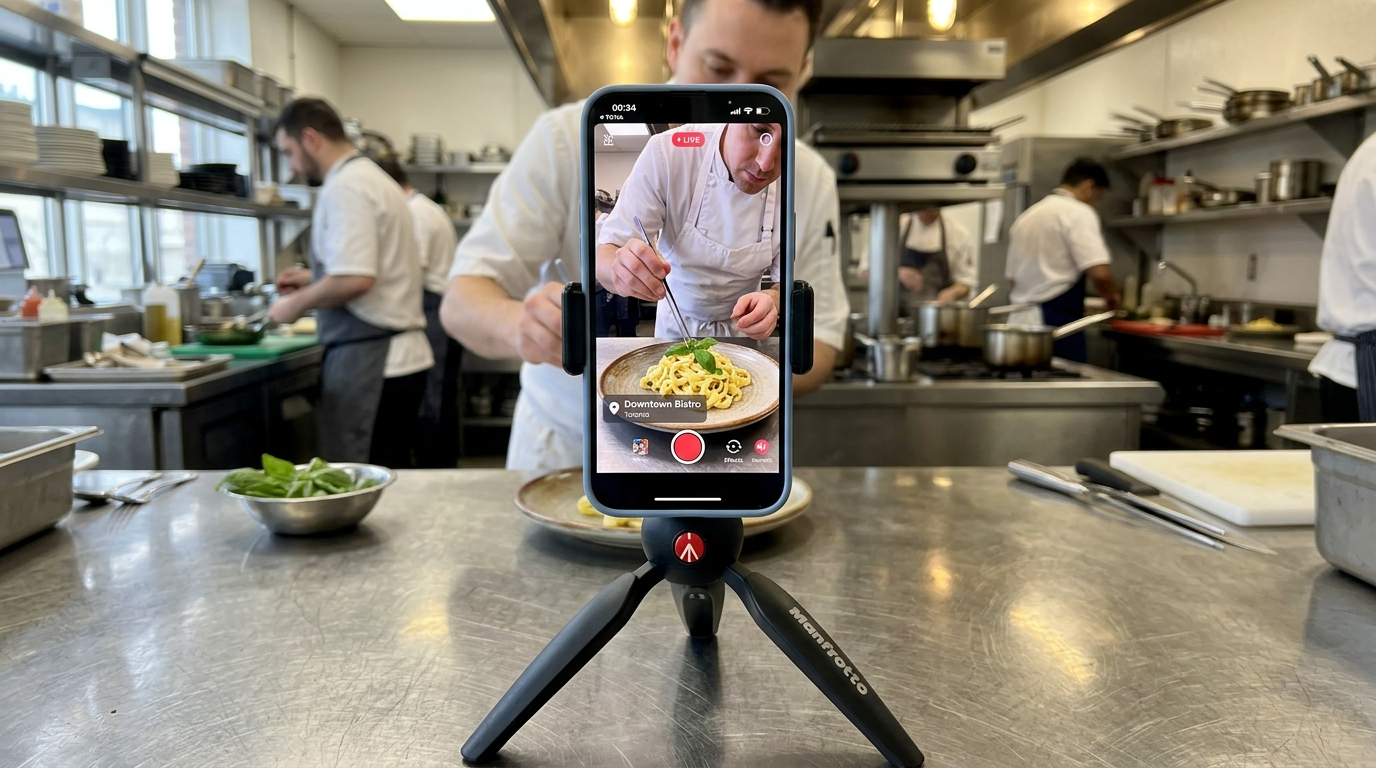
For Gen Z and Millennials, TikTok is a search engine. Google now indexes short-form video content.
Geotag Everything: Ensure every post on Instagram and TikTok has a location tag.
Alt Text for Social: Use descriptive keywords in the "Alt Text" settings of your social posts so they appear in Google Image and Video search results.
By following this seo guide for restaurants, you can turn your website and online presence into a powerful customer acquisition engine. The key is consistency. Each step builds on the last, creating a cumulative effect that will make your restaurant the most visible and trusted choice in your area.
Frequently Asked Questions
What is the most important part of local SEO for a restaurant?
While all components are important, optimizing your Google Business Profile (GBP) is arguably the most critical first step. It directly impacts your visibility in the Google Map Pack, which is where most users with high purchase intent find restaurants.
How long does it take for restaurant SEO to work?
You can see some quick wins from optimizing your GBP and on page elements within a few weeks. However, building lasting authority through content and link building is a long term strategy. Expect to see significant, sustainable results within 3 to 6 months of consistent effort.
Can I do local SEO for my restaurant myself?
Absolutely. Many of the steps in this seo guide for restaurants, like updating your GBP and managing reviews, can be done by a business owner. However, more technical aspects like schema markup and link building can be time consuming. Many owners choose to handle the basics and partner with a service like Rankai for more advanced execution.
Is Yelp still important for restaurants?
Yes. While Google is the dominant player, Yelp is still a major platform for restaurant discovery and reviews. A well managed Yelp profile is an important citation and a source of customer traffic. Many consumers use multiple platforms to research, so having a strong presence on both is ideal.