
The best ways to find topic ideas for SEO involve using keyword research tools, analyzing competitor content, and listening directly to your audience. Finding the right topic is the critical first step in any successful SEO strategy. Without a constant stream of powerful ideas, your content calendar dries up, and your growth flatlines. In a digital world where millions of blog posts are published every single day, you cannot afford to guess what your audience wants to read. The ability to consistently find topic ideas for SEO that align with user intent and business goals is what separates stagnant websites from those that achieve compounding organic growth. This guide breaks down the essential criteria for a strong topic and provides actionable strategies to keep your content pipeline full.
What Makes a Strong SEO Topic Idea? Key Selection Criteria
Before you even begin to find topic ideas for SEO, you need to understand what makes an idea worth pursuing. Not all topics are created equal. A strong SEO topic successfully balances four core elements:
- Audience Relevance: The topic must directly address a question, pain point, or interest of your target customer. If your audience isn’t searching for it, it won’t drive qualified traffic.
- Search Intent Alignment: You need to understand why a user is searching for a particular query. Are they looking for information (informational keywords), trying to buy something (transactional), or comparing options (commercial)? Your content must match that intent to rank.
- Realistic Ranking Potential: This involves assessing SERP features and competition. If the first page is dominated by high authority domains, you may need to find a more specific, long-tail keyword to target first.
- Business Value: A great topic attracts the right audience and naturally guides them toward your product or service. It should connect what they need to know with what you offer through content mapping. Marketers who prioritize their blog are 13x more likely to see positive ROI.
Top 19 Ways to Find Topic Ideas for SEO
Finding the right subjects to cover can often feel overwhelming, but having a structured approach simplifies the creative process. This comprehensive guide explores twenty effective strategies to help you discover high-value topics that resonate with both search engines and your target audience.
Keyword research and strategy
At the heart of any successful SEO campaign lies a robust understanding of what users are actually searching for online. These initial strategies focus on foundational keyword research techniques that ensure your content aligns perfectly with specific user queries and current search volume trends.
1. How to do keyword research
Turn messy seed terms into a focused map of high-intent topics that match every stage of the funnel. By filtering for difficulty, intent, and revenue fit, you’ll stop guessing and start shipping briefs that rank and convert: fast, repeatably, and with minimal overhead.
-
Quick win: Pull seeds from GSC and one competitor, then cluster and brief your top three revenue-aligned groups today.
-
Steps to ship:
- Pull seed keywords from Google Search Console and top competitors.
- Expand with Keyword Planner and SERP modifiers (best, vs, for).
- Tag intent (informational, commercial, transactional) and clean duplicates.
- Cluster semantically similar queries to avoid cannibalization.
- Prioritize by revenue impact and turn each cluster into a brief.
-
Qualify and prioritize:
- Strong intent clarity and SERP alignment.
- Keyword Difficulty within your DR range vs top-10 pages.
- Clear path to product or money pages via internal links.
-
Tools and prompts:
- GSC and Ahrefs: export performance data; Prompt: “Classify keywords into intent buckets and suggest the best existing URLs on our site.”
-
Ship it: Publish one page per cluster and link to the nearest product or hub page to consolidate authority.
2. How to use keyword tools
Pair Semrush or Ahrefs with first-party GSC data to automate discovery and planning. This keeps production focused on demand that exists now, reduces cannibalization, and lets lean teams ship high-volume, intent-aligned content without drowning in manual research.
-
Quick win: Merge Semrush exports with GSC queries, then run clustering for your fastest path to briefs.
-
Steps to ship:
- Export search demand from GSC and Semrush.
- Normalize and dedupe keywords in Google Sheets.
- Cluster via SERP-overlap tools for clean topic groups.
- Prioritize by volume and KD; flag quick-win clusters.
- Map each cluster to a content brief and owner.
-
Qualify and prioritize:
- Clear single-page intent (high SERP overlap).
- Low-to-mid KD within your DR range.
- Direct line to product or monetization.
-
Tools and prompts:
- Semrush: filter informational or commercial intent; Query: “seed + vs.”
- thruuu: group by SERP overlap for clustering.
- GSC API: pull today’s queries for freshness.
-
Ship it: Attach internal link targets to every brief to connect clusters from day one.
3. Keywords vs long-tail keywords
Bias toward 3 to 6+ word long-tail phrases to rank sooner and convert better. These capture specific, mid-to-bottom-funnel intent and typically require less link equity, which is ideal for lean teams seeking quick wins without competing on saturated head terms.
-
Quick win: Expand one head term with modifiers (vs, for, best) and ship two high-match pages this week.
-
Steps to ship:
- Benchmark your DR against top-10 competitors.
- Expand head terms with intent modifiers (vs, for, best).
- Filter for low KD and forum-heavy SERPs.
- Group variants into tight clusters.
- Interlink all pages to a relevant hub or product.
-
Qualify and prioritize:
- Word count ≥ 3 and concrete problem/solution framing.
- KD below your realistic link/DR ceiling.
- SERP shows niche pages, not only mega-guides.
-
Tools and prompts:
- GSC: export queries; filter “word_count >= 3.”
- Ahrefs: filter low KD; query pattern: “Include vs/for/best.”
-
Ship it: Use exact-match H2s from cluster variants and add a comparison table where relevant.
Content formats for SEO topic ideas
Once you have identified your core keywords, the next step is deciding how to present that information to keep readers engaged. This section examines various content structures, from tutorials to listicles, that are proven to capture search intent and provide maximum value to your visitors.
1. Create tutorials or how-to posts
“How-to” tutorials win snippets, power short videos, and build trust by solving the problem before pitching. They sit mid-funnel, connect naturally to product use-cases, and are easy to templatize, perfect for lean teams that need repeatable, compounding growth.
-
Quick win: Find a “how to” query in GSC, structure numbered steps as H2s, and write a 40-word summary for the snippet.
-
Steps to ship:
- Filter GSC for how-to intent queries.
- Turn the workflow into numbered H2 steps.
- Draft a 40-word answer-box summary.
- Add subtle, product-led CTAs.
- Repurpose steps into vertical videos/checklists.
-
Qualify and prioritize:
- Snippet present or likely (short direct answers win).
- Query maps to a clear product outcome.
- Steps can be completed in one session.
-
Tools and prompts:
- Google Search Console: find intent demand; Prompt:
^(how to|fix|setup) - Ahrefs: filter Questions by low KD and snippet features.
- Google Search Console: find intent demand; Prompt:
-
Ship it: Add VideoObject markup if you embed a walkthrough and link to the feature page.
2. Answer common questions (FAQ)
Customer questions from GSC, PAA, chat logs, and support tickets are gold for fast, low-competition wins. Turn them into concise FAQs that deflect objections, capture snippets, and reduce support load, an efficient flywheel for mid-funnel trust.
-
Quick win: Mine GSC with a regex, then publish a 5-question FAQ block on your top guide.
-
Steps to ship:
- Filter GSC via regex
^(what|how|why). - Expand People Also Ask to reveal clusters.
- Write direct, skimmable answers with internal links.
- Add FAQPage schema to enhance visibility.
- Filter GSC via regex
-
Qualify and prioritize:
- Real question phrasing and snippet presence.
- Repeated support themes or objections.
- Clear internal link targets to deeper content.
-
Tools and prompts:
- GSC: use query regex
^(what|how|why). - Reddit:
site:reddit.com [topic] "how to"for phrasing. - Prompt: “Write an answer for [question] in 50 words with a next-step CTA.”
- GSC: use query regex
-
Ship it: Place FAQs above the fold on related guides and product pages to capture intent fast.
3. Answer FAQs with roundups
Bundle related questions into a single, skimmable hub to claim more SERP real estate with fewer URLs. Roundups reduce cannibalization, scale output, and win PAA/snippets by putting clear answers and smart internal links all in one place.
-
Quick win: Cluster 15 to 25 related questions and publish a hub with anchor links and answer-first blocks.
-
Steps to ship:
- Extract question queries from GSC and PAA.
- Cluster by intent (setup, pricing, troubleshooting).
- Write short, direct answers with links to full guides.
- Add FAQ schema and a sticky table of contents.
-
Qualify and prioritize:
- Many near-duplicate questions in SERPs.
- Overlap with your cornerstone content.
- Opportunity to consolidate thin pages.
-
Tools and prompts:
- GSC: regex; Prompt: “Cluster these questions and draft 50-word direct answers.”
-
Ship it: Link the hub from your navigation and relevant product pages to concentrate authority.
4. Write listicles and numerical rankings
Listicles win commercial investigation queries like “best” and “top,” drive high CTR with numbers and recency, and are effortless to refresh. They bridge discovery and decision stages while giving lean teams a repeatable, standards-driven format.
-
Quick win: Publish a “Best [Category] in [Year]” with a transparent scoring framework and jump-links.
-
Steps to ship:
- Target “best/top” modifiers for your niche.
- Define objective criteria and weightings.
- Add jump-links and “Best for” tags per item.
- Apply ItemList schema and year in title.
- Refresh quarterly with new data.
-
Qualify and prioritize:
- Buyer-led intent and comparison SERP features.
- You can test or cite credible sources.
- Clear monetization or product-tie opportunities.
-
Tools and prompts:
- GSC/Ahrefs: find “best/top” modifiers; Prompt: “Create a listicle outline with methodology, pros/cons, and a comparison table schema for SaaS tools.”
-
Ship it: Add internal links from each item to in-depth reviews or use-case pages.
5. Keyword list for your niche
A comprehensive keyword list compresses research cycles and reveals opportunities from “how-to” through “pricing.” For lean SaaS teams, it becomes a living roadmap: cluster, brief, ship, then expand into adjacent, revenue-bearing topics without starting from scratch each time.
-
Quick win: Build a seed set from product features, then expand with autosuggest and competitor H1s for immediate clusters.
-
Steps to ship:
- Define seed terms from core features and jobs-to-be-done.
- Expand via PAA and autosuggest.
- Extract competitor H1s and merge with GSC queries.
- Cluster by intent and funnel stage.
- Convert groups to briefs and internal link plans.
-
Qualify and prioritize:
- Coverage across awareness → decision.
- Deduped groups with clear primary keyword.
- Weighted by revenue proximity and KD.
-
Tools and prompts:
- GSC: export search queries; Prompt: “Identify high-impression terms we don’t rank top-3 for.”
- Ahrefs: Keyword Explorer; Prompt: “Find relevant long-tail SEO questions for [seed].”
-
Ship it: Assign owners and deadlines cluster-by-cluster to sustain output velocity.
Product/service-focused content
Beyond providing general information, your SEO strategy should directly support the specific solutions your business offers to the market. By focusing on your own products and services through reviews and demonstrations, you can effectively bridge the gap between educational content and direct conversions.
1. Review the products you sell or services you provide
Turn SKUs and services into bottom-funnel magnets with in-depth, first-party reviews. Decision-stage visitors want proof, not fluff, so use hands-on detail, specs, and outcomes to convert with authority while building structured data signals search engines reward.
-
Quick win: Draft a standardized review template with pros/cons, who it’s for, and first-party photos or data.
-
Steps to ship:
- Identify review-led demand in GSC and SERPs.
- Create a repeatable template with real-world proof.
- Prioritize topics by margin and availability.
- Pull insights from support tickets and returns.
- Interlink to comparisons and category hubs.
-
Qualify and prioritize:
- Search demand plus high purchase intent.
- Healthy margin or strategic importance.
- You can demonstrate first-hand experience (E-E-A-T).
-
Tools and prompts:
- GSC: find review demand; Prompt: “Generate review titles and outline sections for [product].”
- Rich Results Test: validate Product schema.
-
Ship it: Add aggregated ratings and FAQs to target rich results and improve CTR.
2. Demonstrate how to use your product or service
Show, don’t tell. Outcome-focused tutorials and use-case walkthroughs capture bottom-funnel intent, shorten time-to-value, and reduce support friction. They also repurpose beautifully across email, help docs, and YouTube, compounding discovery.
-
Quick win: Record a 5-step screen walkthrough that solves one high-volume “how to” query.
-
Steps to ship:
- Identify “how-to” queries via Search and GSC.
- Map the shortest success path in 3–7 steps.
- Record a narrated screen demo.
- Add VideoObject markup and transcript.
-
Qualify and prioritize:
- Clear, searchable use-case aligned to a feature.
- Visual steps improve comprehension.
- Direct CTA to trial or template.
-
Tools and prompts:
- Loom & Descript: capture and edit walkthroughs.
- Prompt: “Create a 5-step [Brand] [Feature] tutorial for [Persona] to achieve [Outcome].”
-
Ship it: Embed the video in the guide and link to onboarding or templates to drive activation.
3. Compare products, services, and approaches
Late-stage evaluators search “X vs Y” and “alternatives” when they’re closest to buying. Meet them with decision-first pages that present a fair verdict, a clear matrix, and objection-handling, which are templates you can scale across competitors and categories.
-
Quick win: Publish a verdict-up-front comparison with a sticky CTA and feature matrix.
-
Steps to ship:
- Mine BOFU demand in GSC (vs/alternatives).
- Prioritize by volume and commercial value.
- Lead with a verdict, then a feature matrix.
- Add comparison schema and CTAs.
- Refresh quarterly with new data.
-
Qualify and prioritize:
- Strong brand + competitor interest in SERPs.
- Clear differentiators you can substantiate.
- Intent signals: pricing, trial, migration.
-
Tools and prompts:
- GSC: regex for BOFU intent queries.
- G2: extract customer reviews for criteria.
- Prompt: “Outline a decision-first [Product] vs [Competitor] page with verdict and matrix.”
-
Ship it: Internally link from relevant reviews and category hubs to concentrate demand.
4. Solve a common problem in your industry
Turn recurring pains into solution pages that rank, reassure, and convert. By leading with the fix and then showing how your product makes it faster or safer, you earn trust while creating a natural bridge to demos, templates, or trials.
-
Quick win: Publish one neutral, step-by-step fix and a product-assisted variant on the same page.
-
Steps to ship:
- Validate pain via support tickets and SERPs.
- Choose a neutral solution angle first.
- Build a quick-answer section and steps.
- Add proof (data, screenshots, quotes).
- Link to product paths and track conversions.
-
Qualify and prioritize:
- High frequency in support logs.
- SERP shows guides and checklists.
- You can evidence a faster path with your tool.
-
Tools and prompts:
- GSC: identify intent; Prompt: “Draft a step-by-step fix for [Problem], including prerequisites.”
- AlsoAsked: map local FAQ clusters.
-
Ship it: Add a “Download checklist” CTA to capture emails and nurture.
Local, seasonal, and timely angles
Search patterns are often heavily influenced by the calendar, geographic location, and current events within your specific niche. Leveraging these time-sensitive and local angles allows you to capture trending traffic and establish authority on relevant, real-time developments in your field.
1. Cover local-specific topics
Geo-modified queries (service + city/near me) reveal buyers ready to act. Local SEO aligns relevance with proximity so you appear where decisions happen: the Map Pack and high-intent SERPs for consistent, compounding revenue for SMBs.
-
Quick win: Launch a geo-landing page with localized testimonials, NAP, and a service area map.
-
Steps to ship:
- Extract demand with GSC regex filters.
- Build templated local landing pages.
- Sync Google and Apple Business profiles.
- Add
areaServedschema to confirm locality.
-
Qualify and prioritize:
- Measurable geo demand and service radius.
- Consistent NAP across citations.
- Map Pack or local intent in SERP.
-
Tools and prompts:
- GSC: regex:
(?i)(service).*(city) - Google Business Profile: update categories and services.
- Schema.org: use JSON-LD
areaServed.
- GSC: regex:
-
Ship it: Add internal links from the homepage and service hub to each local page.
2. Seasonal tips related to your niche
Tie content to predictable spikes like holidays, renewals, and weather to capture timely awareness with minimal lift. Reusable, modular templates make it easy to refresh each year while building authority that compounds across seasons.
-
Quick win: Publish a four-season hub with region-specific spokes six weeks before the peak.
-
Steps to ship:
- Use Google Trends to find seasonal peaks.
- Create a hub with modular tip spokes.
- Localize by region or climate.
- Publish 4 to 8 weeks pre-peak.
- Refresh annually with new data.
-
Qualify and prioritize:
- Consistent multi-year seasonality.
- Clear local variants to scale output.
- Complementary tie-ins to product.
-
Tools and prompts:
- Google Trends: map peaks; Prompt: “List seasonal tip ideas for [niche] by month.”
- GSC: spot traction; Prompt: “Find seasonal keyword queries in the last 16 months.”
-
Ship it: Interlink seasonal posts to evergreen guides and related offers.
3. Report on trends in your industry
Spot emergent demand before competitors and publish concise, data-led explainers. Trends pieces earn links, PR angles, and social pickup, which is great awareness fuel that also seeds evergreen follow-ups you can monetize later.
-
Quick win: Ship a “What’s rising in [City/Niche] right now” post with three charts and takeaways.
-
Steps to ship:
- Set geo modifiers and a publishing cadence.
- Pull 90-day Rising queries in Trends.
- Segment intent with GSC regex.
- Validate interest on TikTok/shorts.
- Map findings to briefs and internal links.
-
Qualify and prioritize:
- Sustained 4 to 8 week momentum.
- Searchable angles (price, alternatives, near me).
- Logical evergreen follow-ups.
-
Tools and prompts:
- Google Trends: Rising by subregion; Query: “SEO Austin”
- GSC: grouped intent; Query:
regex: price|cost
-
Ship it: Add a “Track this trend” newsletter CTA to build owned reach.
4. Stay on top of industry news and offer your insights
News moves fast; so should your explainers. Publish timely, search-shaped summaries with practical next steps, then link readers to evergreen pages for depth. Done well, these posts turn spikes into steady organic growth.
-
Quick win: Same-day explainer with a 5-point FAQ and links to your best resources.
-
Steps to ship:
- Set alerts for core keywords and regulations.
- Triage by local impact and search intent.
- Draft a clear explainer with FAQs and links.
- Update as facts evolve to sustain traffic.
-
Qualify and prioritize:
- Real search interest (News + Web).
- High audience impact and clear confusion.
- Strong internal links to evergreen hubs.
-
Tools and prompts:
- Google Alerts: monitor topics; Prompt: “Explain how [news] affects [audience] in [city] and list three immediate steps.”
-
Ship it: Add a timeline section to capture future long-tail queries and edits.
Education, metrics, and myth-busting
To truly master SEO, it is essential to look beyond the surface and understand the underlying mechanics and common misconceptions of search engines. This group of topics focuses on educating your audience on technical metrics and clarifying industry myths to build deeper trust and long-term authority.
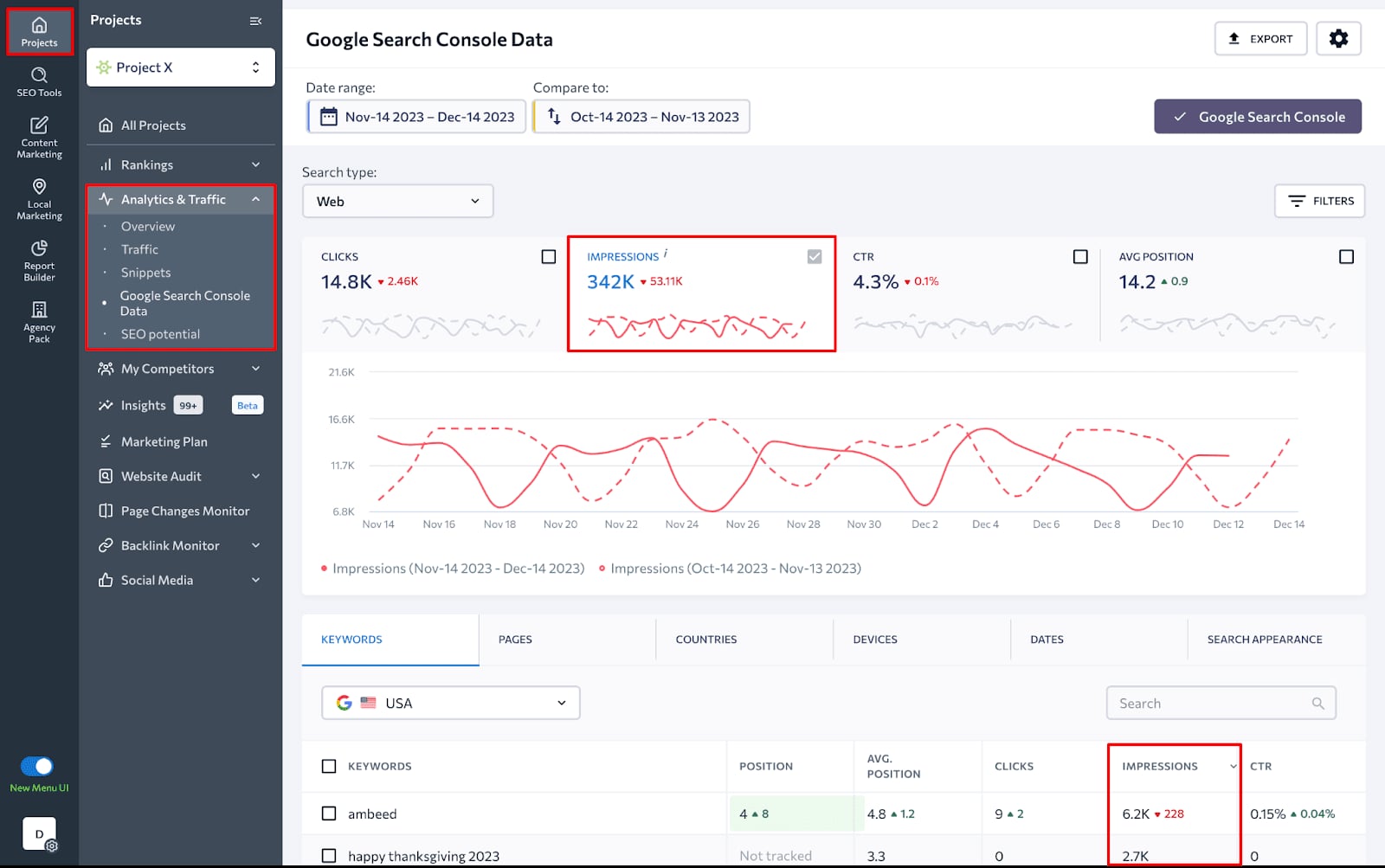
1. Which SEO metrics are important to track?
Track what maps to visibility and business outcomes: impressions and CTR for opportunity, rankings for momentum, and conversions for ROI. Lean teams win by aligning every topic to measurable lift, not vanity metrics.
-
Quick win: Pull pages ranking positions 3–10 and improve titles, internal links, and on-page CTAs.
-
Steps to ship:
- Audit GSC for positions 3–10.
- Set GA4 key events tied to revenue.
- Monitor Core Web Vitals.
- Verify indexing status.
- Score topics by conversion value.
-
Qualify and prioritize:
- High impressions, low CTR opportunities.
- Business-critical conversions tracked in GA4.
- Pages close to page-one breakthroughs.
-
Tools and prompts:
- GSC: find low-CTR wins; Query: “Position 3–10”
- GA4: Prompt: “Show conversions by landing page and attribution model.”
-
Ship it: Add metrics to each brief (target CTR, target rank, conversion goal) to close the loop.
2. Myth/misconception busting
Turn confused search demand into trust by debunking common myths with data. These pieces clean up PAA queries, arm sales with credible answers, and differentiate you from AI-sameness during consideration.
-
Quick win: Publish a Claim/Verdict/Reality format article for one high-volume misconception.
-
Steps to ship:
- Mine GSC for doubt terms (“scam”, “actually”).
- Prioritize by demand and business relevance.
- Collect primary/credible secondary data.
- Format as Claim → Verdict → Reality.
- Add FAQ and ClaimReview schema.
-
Qualify and prioritize:
- Clear misinformation in SERPs.
- You can provide proof or firsthand experience.
- Objection directly tied to buying.
-
Tools and prompts:
- Google Search Console: identify audience doubt; Prompt: “[keyword] myth”
- Schema App: add ClaimReview markup; Prompt: “[claim] reality”
-
Ship it: Link from pricing, comparisons, and onboarding to preempt objections.
3. What is search intent?
Search intent is the purpose behind a query. Classify it correctly and you’ll choose the right format, avoid cannibalization, and satisfy expectations, turning production into predictable, high-ROI growth for lean teams.
-
Quick win: Take your top 100 queries and tag them informational, commercial, or transactional; kill or merge overlaps.
-
Steps to ship:
- Map queries into intent buckets.
- Cluster to avoid cannibalization.
- Analyze SERP features to confirm intent.
- Create one page per cluster with the right format.
-
Qualify and prioritize:
- SERP shows the format you plan to ship.
- One clear primary keyword per page.
- Natural path to a money page via links.
-
Tools and prompts:
- GSC: tag queries by intent.
- Prompt: “Classify intent using these top five titles and SERP features.”
-
Ship it: Add intent labels to your content calendar so every draft maps to a funnel stage.
Local SEO Topic Ideation: Turning Geo-Specific Searches into Content
For local businesses, the ability to find topic ideas for SEO with geographic focus is a goldmine. 30% of all mobile searches are related to location, meaning users are looking for products and services near them. You can capitalize on this by creating content that answers location specific queries.
Think beyond just your service pages. Consider topics like:
- Neighborhood Guides: “The Best Family Friendly Activities in [Your Neighborhood]”
- Event Coverage: “What to Expect at the [City Name] Annual Farmer’s Market”
- Geo-Modified Keywords: “Emergency Plumber in [Your City]” or “[Service] Near [Landmark]”
Searches containing phrases like “near me” have surged by 900% globally on mobile between 2015 and 2017, and 72% of consumers who searched for local information on a smartphone visited a store within 5 miles. By creating content that serves this intent, you capture high quality traffic that is ready to convert.
Validate and Prioritize Your Topic Backlog
Once you have a list of potential topics, you must validate them with data. Guesswork leads to wasted effort. The goal is to build a prioritized backlog of content that has the highest probability of ranking and driving results.
Here’s a simple validation process:
- Keyword Research Tools: Use SEO tools to check the monthly search volume and keyword difficulty for your primary topic ideas. This gives you a baseline for traffic potential and competitiveness.
- SERP Analysis: Manually search for your target keywords on Google. Analyze the top 10 results. What kind of content is ranking (blog posts, videos, product pages)? What questions are they answering? This helps you confirm search intent.
- Prioritize by Impact: Score your ideas based on their relevance to your core services, their search volume, and your ability to create the best piece of content on the subject.
At Rankai, our SEO experts perform this rigorous vetting process for every client. We analyze competitor gaps and search trends to build a strategic content plan, ensuring every article we publish is designed for impact. Learn more about our AI SEO agency services.
Keep Your Content Pipeline Flowing with Consistency and Audience Feedback
The key to compounding SEO growth is consistency. Websites that maintain a blog have 434% more indexed pages on average, which creates more opportunities to rank. But maintaining momentum requires a system to continually find topic ideas for SEO.
- Build a Content Calendar: Plan your topics weeks or months in advance. This eliminates the stress of last minute ideation and ensures a steady publishing cadence.
- Listen to Your Audience: Your customers are your best source for topic ideas. Pay attention to the questions they ask in sales calls, support tickets, and social media comments. Each question is a potential blog post.
- Embrace High Velocity: Publishing at a high volume allows you to cover more ground faster, often via programmatic SEO. Services like Rankai’s, which deliver 20+ pages per month, help businesses build topical authority and accelerate traffic growth significantly faster than traditional methods.
Measure Performance and Iterate on Your Topic Choices
SEO is not a “set it and forget it” activity. After you publish, you must track performance and be prepared to improve your content. This iterative process is what separates good content from content that actually ranks.
Focus on key metrics in Google Search Console like clicks, impressions, and average keyword positions. If a topic you were excited about isn’t performing after a few weeks, it’s not a failure, it’s an opportunity to optimize. In fact, updating and republishing old blog posts can increase their organic traffic by an average of 106% in monthly organic search views.
This is the core of Rankai’s “Rewrite Until It Ranks” philosophy. We continuously monitor content performance. If a page isn’t meeting its ranking potential, our team flags it and rebuilds it. This commitment to iteration ensures your investment in content continues to pay dividends over time.
Conclusion: Turn Validated Ideas into Search-Winning Content
Learning how to find topic ideas for SEO is a foundational skill that drives sustainable growth. By focusing on relevance, validating with data, and consistently listening to your audience, you can move beyond guesswork and build a content engine that attracts qualified traffic month after month. The right ideas, executed with consistency and a commitment to iteration, are your most powerful asset for winning on search.
Ready to stop guessing and start ranking? Book a demo with Rankai to see how our AI assisted, human expert guided service can build your SEO content engine for you.
FAQ
What is the first step to find topic ideas for SEO?
The first step is understanding your target audience and their pain points. Before you look at any tools, map out the questions, challenges, and goals of your ideal customer. Every piece of content should aim to solve a problem for them.
How do I know if an SEO topic is too competitive?
Analyze the search engine results page (SERP). If the top results are all from highly authoritative, well known websites with thousands of backlinks, the topic might be too competitive for a new site. Look for keywords where smaller blogs, forums, or newer sites are ranking, as this signals an opportunity.
How many topic ideas should I generate at once?
It’s helpful to brainstorm a large list of 50 to 100 raw ideas initially. Then, you can filter and validate them down to a prioritized list of 10 to 20 topics that you can add to your content calendar. The goal is to always have a backlog of vetted ideas ready to go.
Can AI help me find topic ideas for SEO?
Yes, AI tools are excellent for brainstorming and scaling your ideation process. You can use them to generate hundreds of ideas from a single seed keyword, analyze competitor content, or find questions people are asking online. However, these ideas should always be validated by human strategy and data analysis.
How often should I look for new SEO topic ideas?
You should make topic ideation an ongoing process. Set aside time each month to review performance, analyze new competitor content, and explore emerging trends. This ensures your content strategy remains fresh, relevant, and aligned with what searchers are looking for.
What’s the difference between a topic and a keyword?
A topic is the broad subject or concept you’re writing about (e.g., “small business accounting”). A keyword is the specific phrase a user types into a search engine (e.g., “best accounting software for small business”). Your content is about the topic, but it’s optimized to rank for specific keywords.
Should I focus on topics with high search volume?
Not always. While high volume topics can bring a lot of traffic, they are often highly competitive and broad. Low-volume, long-tail keywords are typically less competitive and attract a more qualified, specific audience that is often closer to converting. A good strategy uses a mix of both.
How does user intent affect my choice of topic?
User intent is critical. If users searching for a term want a “how to” guide (informational intent), but you create a sales page (transactional intent), your content is unlikely to rank. You must match your content format and angle to the user’s underlying goal.